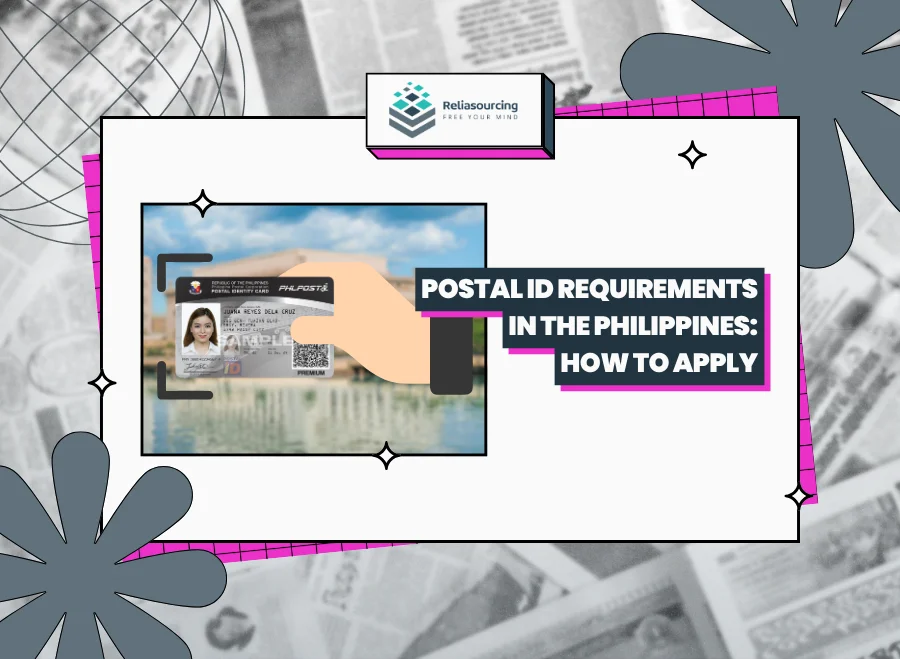
For fresh graduates and first-time job seekers, the Postal ID is one of the most practical government-issued IDs to know and is often discussed as an accessible option because it can help verify both identity and address, which matters when preparing job applications, banking requirements, government transactions, and other documents.
PHLPost resumed the issuance of the Postal ID on October 15, 2024, after a temporary suspension. The agency later reiterated official application requirements to standardize processing across post offices nationwide. According to PHLPost, the Postal ID is issued as a functional card and can support address verification for public and private transactions. You can read the agency’s update on the resumption of Postal ID issuance.
This guide explains the current Postal ID requirements in the Philippines, how to apply, and what first-time workers should prepare before visiting a post office.
Quick Answer: What Are the Postal ID Requirements?
For new Postal ID applicants, PHLPost says applicants must personally appear and submit one duly accomplished application form written in bold letters using black or blue ink. Applicants also need proof of identity and proof of address. PHLPost clarified these requirements through its advisory on how it simplified Postal ID application requirements. Basically, prepare:
- Accomplished Postal ID application form
- Proof of identity
- Proof of address
- Personal appearance at the post office or authorized capturing site
- Payment for applicable fees
For first-time jobseekers who do not yet have many IDs, the most helpful point is this: PHLPost has clarified that applicants do not necessarily need another valid government-issued ID to apply, as long as they can meet the accepted proof of identity and proof of address requirements.
What Is a Postal ID?
A Postal ID is an identification card issued by the Philippine Postal Corporation or PHLPost designed to verify the cardholder’s identity and address.
For job seekers, the Postal ID can be useful because many first-time applicants are still building their document set. And while it does not replace every employment requirement, it can serve as a practical supporting ID for transactions that require identity or address verification.
For a broader overview of documents that fresh graduates may need, you can also read our guide on valid IDs in the Philippines for fresh graduates.
Why Fresh Graduates May Want a Postal ID
A Postal ID can help first-time workers in a few practical ways.
- Supports identity and address verification. PHLPost describes the Postal ID as a functional card for address verification, which can help with applications, transactions, and services that need proof of where you live.
- Help when building your first ID set. Some fresh graduates do not yet have a passport, driver’s license, or other major government-issued ID. A Postal ID may give them another practical document to use while preparing employment requirements.
- Relevant for job applicants. PHLPost has highlighted Postal ID applications during job fair activities, noting its usefulness as a primary form of identification for documentary requirements and transactions such as passport applications or opening bank accounts.
Postal ID Requirements in the Philippines
PHLPost’s current guidance centers on three basic requirements:
| Requirement | What It Means |
| Application form | One accomplished Postal ID application form |
| Proof of identity | Document or documents accepted by PHLPost to verify who you are |
| Proof of address | Document or documents accepted by PHLPost to verify where you live |
The PHLPost Citizen’s Charter lists the Postal ID Application Form as downloadable from the PHLPost website and includes proof of identity and proof of address in the checklist of requirements.
How to Apply for a Postal ID
Step 1: Get the Postal ID application form
Start by downloading or securing the latest Postal ID application form. PHLPost has a dedicated page for the Postal ID Application Form. Fill it out clearly using black or blue ink. PHLPost’s guidance specifically says the form should be written in bold letters.
Step 2: Prepare proof of identity
Prepare documents that can confirm your identity. If you already have a government-issued ID, bring it. If you do not, check PHLPost’s accepted alternatives before going.
A common mistake is assuming you cannot apply without an existing valid ID. PHLPost has clarified through government media that no valid ID is required for Postal ID application if the applicant can present accepted identity and address documents. You can read the Philippine News Agency report on PHLPost’s clarification that no valid ID is required for Postal ID application.
Step 3: Prepare proof of address
Since the Postal ID is strongly tied to address verification, proof of address matters. This may include documents that show where you currently live, depending on what PHLPost accepts at the time of application. Check the latest PHLPost guidance before going so you bring documents that match the current requirements.
Step 4: Personally appear at a post office or capturing site
New applicants must appear in person so PHLPost can verify documents and capture the necessary information for the ID. Before visiting, check your nearest post office or authorized capturing site, as processing availability may vary by location.
Step 5: Pay the applicable fee and wait for processing
Fees and release timelines may depend on the current service option and post office process. Ask the post office staff for the latest fee, receipt, and expected release date when you apply. Keep your receipt or claim stub safe. You may need it when claiming the card.
Can You Use the Postal ID for Job Applications?
Yes, the Postal ID can be useful for job applications, especially when an employer asks for identity or address verification. However, treat it as one part of your document set, not the only document you prepare. Employers may still ask for other requirements such as:
- Resume or CV
- National ID or another valid ID
- NBI Clearance
- TIN registration details
- PhilHealth, SSS, and Pag-IBIG information
- School documents
- Company-specific onboarding forms
For a broader checklist, you can also read our guide on job requirements for fresh graduates in the Philippines.
Postal ID vs National ID: Which Should You Get First?
If you are starting from zero, the National ID is often the broader first step because it is designed as a foundational identity document. The Postal ID, on the other hand, can be helpful if you need a practical supporting ID with address verification. A simple way to decide:
| If you need… | Consider preparing… |
| Foundational identity document | National ID |
| Identity and address verification | Postal ID |
| Employment-related clearance | NBI Clearance |
| Benefits-related document | PhilHealth ID |
You can prepare both the National ID and Postal ID over time, depending on your needs and available documents.
Common Mistakes to Avoid
- Not checking the latest PHLPost requirements. Postal ID requirements were updated and clarified after issuance resumed. Always review PHLPost’s latest guidance before applying.
- Forgetting proof of address. The Postal ID is closely tied to address verification, so proof of address is just as important as proof of identity.
- Assuming every post office has the same processing schedule. Availability and release timelines may vary. Confirm with your chosen post office before going.
- Relying only on old online guides. Some older articles may no longer reflect the current rules after PHLPost’s recent updates.
Quick Checklist Before You Apply
Before going to the post office, prepare:
- Accomplished Postal ID application form
- Proof of identity
- Proof of address
- Personal appearance
- Payment for applicable fees
- Photocopies, if required by the post office
- Receipt or claim stub after filing
FAQs About Postal ID Requirements in the Philippines
What are the Postal ID requirements in the Philippines?
The main Postal ID requirements in the Philippines are an accomplished application form, proof of identity, proof of address, personal appearance, and payment of applicable fees. Requirements should always be checked against current PHLPost guidance.
Can I apply for a Postal ID without another valid ID?
Yes, PHLPost has clarified that applicants do not necessarily need an existing valid government-issued ID as long as they can present accepted proof of identity and proof of address.
Is the Postal ID useful for job applications?
Yes. The Postal ID can help with identity and address verification, which may be useful during job applications or onboarding. Still, employers may ask for other documents depending on their requirements.
Where can I get the Postal ID application form?
You can get the Postal ID application form through PHLPost’s official website or at participating post offices and capturing sites.
Final Thoughts
The Postal ID remains a practical option for fresh graduates and first-time workers who are building their first set of documents, helping verify both identity and address, which makes it useful for job applications, banking, government transactions, and other everyday requirements.
Before applying, check the latest PHLPost guidance, prepare your proof of identity and address, and visit an authorized post office or capturing site. Once your Postal ID is ready, you will have another useful document to support your job-readiness checklist.
Ready to put your documents to use? Explore open roles at Reliasourcing and take the next step in your career. Browse our open positions to see if you’re a good match for #LifeAtReliasourcing.
About Reliasourcing
Reliasourcing is a premier outsourcing solutions provider in the Philippines. We deliver tailored services that help businesses across industries achieve operational efficiency and scalability. With a focus on customer experience and innovation, Reliasourcing continues to be a trusted partner in unlocking potential through outsourcing.
Follow us on Facebook, Instagram, LinkedIn, YouTube, and X for more information on the latest trends and insights in outsourcing, the industry, and the Philippines.
Connect with us or become part of our growing team today!